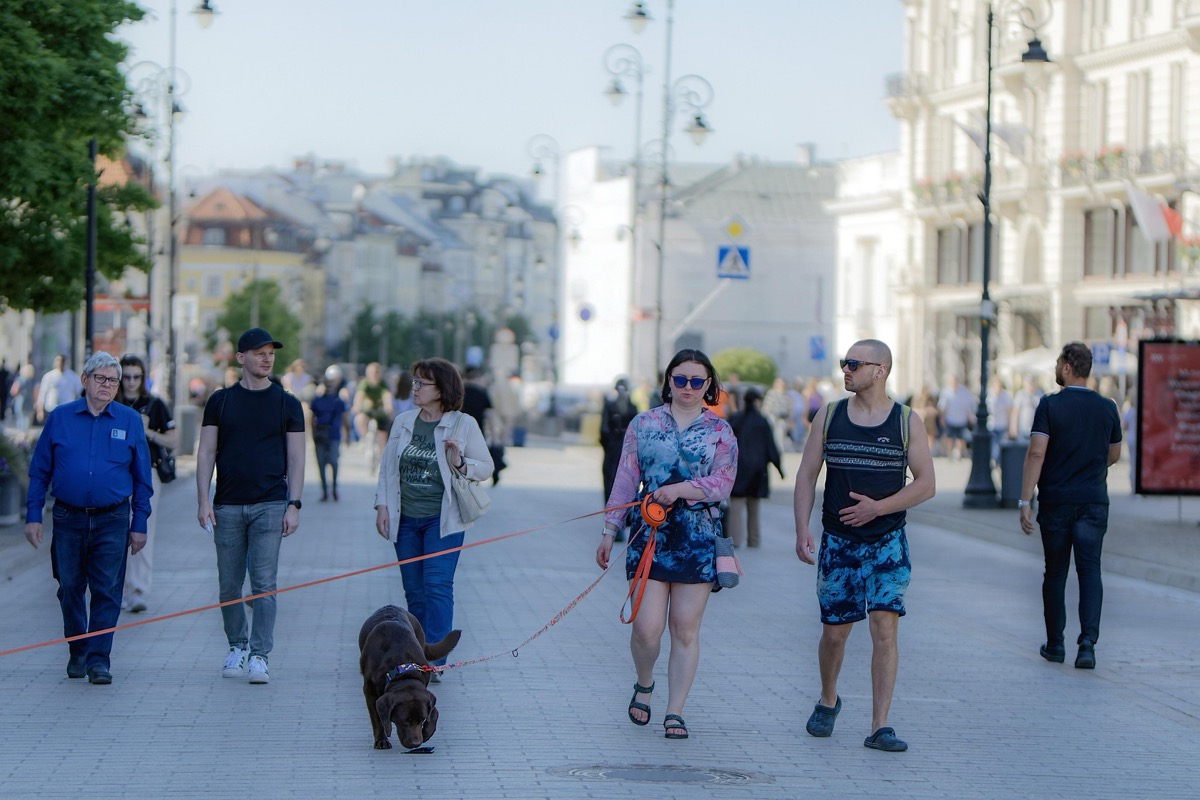
Living with a dog in San Mateo is a specific kind of experience. One minute you're navigating the sidewalk crowds on B Street, and the next you're trying to keep your dog from lunging at a squirrel on the Laurelwood Park trails. It's a great place to be a pet owner, but the Peninsula's active pace means your dog needs to be more than just "okay" at sitting; they need to be solid. Whether you want to enjoy a quiet espresso at a local cafe or survive a weekend trip to San Mateo Central Park without a pulled shoulder, finding the right professional help is the only way to get there. But let's be real: when you set out to choose a dog trainer in San Mateo, you aren't just looking for someone nearby. You're looking for someone who actually gets your dog and your lifestyle.
The reality of the San Mateo training scene
Here's the thing nobody tells you: the dog training industry is a bit of a Wild West. It's unregulated. Literally anyone can print a business card and call themselves a San Mateo dog trainer, even if their experience ends at owning a Lab in college. Because our city has so many pet owners, you're going to see everything from massive national franchises to local independent trainers who have lived in the Highlands for thirty years. Don't get distracted by a slick website; you need to look at what they're actually doing with the dogs.
Start with certifications. They aren't everything, but they prove the trainer at least bothered to learn the science. Look for credits from the Certification Council for Professional Dog Trainers (CCPDT) or the International Association of Canine Professionals (IACP). Most of the high-end trainers I know in the area are also active in the APDT. If they aren't keeping up with how animal behavior science is moving, they're probably using outdated, and potentially stressful, methods.
Don't ignore the local boots-on-the-ground resources, either. The Peninsula Humane Society and SPCA (just over in Burlingame/San Mateo) is a staple for a reason. Their basic manners classes are a solid starting point. Also, ask your vet in Northgate or downtown. They see the "after" photos of every training program in town, so they know who actually delivers results and who just makes dogs nervous.
Cutting through the "philosophy" noise
You'll hear a lot of talk about "positive reinforcement" vs. "balanced" training. It can get heated, but here's my take: modern training should build a bond, not a fear response. Positive reinforcement (using treats, praise, and play) is the gold standard for a reason; it works, and it doesn't break your dog's spirit.
On the flip side, some "balanced" trainers rely on corrections. If someone suggests a prong collar or an e-collar for a walk through the Hillsdale Shopping Center, ask yourself if you're okay with that. A lot of us in San Mateo prefer force-free methods because we want a dog that's calm and focused because they want to be, not because they're afraid of a zap. A good dog trainer in San Mateo should be able to explain their methods in plain English. If they're secretive or promise "guaranteed" results in three days, walk away. Changing behavior takes work, and anyone promising a shortcut is selling you a temporary fix.
Red flags to watch out for
Trust your gut. If you watch a trainer and they seem frustrated with the dog, or with you, move on. Training should feel like a partnership. If a trainer makes your dog cower or tells you to ignore your own discomfort with a technique, they aren't the right fit. We have plenty of compassionate pros in this town; you don't need to settle for a jerk.
Also, watch out for the "cookie-cutter" approach. A Shiba Inu in a downtown condo has a completely different life than a Golden Retriever with a massive backyard in Beresford Manor. Your trainer should ask about your daily routine, your specific goals, and where you actually spend your time. If they aren't tailoring the plan to your life on the Peninsula, they're just reading from a script.
Lastly, check the boring stuff: are they insured? If something goes sideways during a session at Coyote Point, you want to know everyone is covered. A legitimate pro will be happy to show you their insurance and give you references from other local owners.
Training for the Peninsula life
Living here means sharing space with squirrels, cyclists on the Bay Trail, and other dogs at every turn. "Distraction training" is the most important thing you can do. Ask your trainer if they do "out-and-about" sessions. You don't need a dog that listens in a quiet living room; you need a dog that listens at Shoreview Park when a frisbee goes by.
If you have a puppy, the clock is ticking. Socialization is about more than just "playing with dogs." It's getting them used to the rumble of the Caltrain, the strollers on 4th Avenue, and the general chaos of urban life. A great local trainer will help you navigate those windows safely so you don't end up with a reactive adult dog later.
The work doesn't end at the session
The biggest secret? The trainer is mostly training you. You get maybe an hour a week with them; you have 167 other hours to either build habits or break them. Your trainer should be your coach, giving you homework and video clips to keep you on track. If everyone in your house isn't on the same page, using the same cues for that stroll through the Japanese Garden, your dog is just going to be confused.
Training isn't a "one and done" thing. It's a life-long journey. As you move from a downtown apartment to a house in Sunnybrae, or as your dog gets older, new stuff will come up. Finding a solid San Mateo dog trainer now means you have a partner for the long haul. Take the time to vet them properly today; your future self (and your dog) will thank you.